Turning Equity from Aspiration into Operating Infrastructure
Organizational Change • Talent Strategy • Governance • Culture
As Minnesota confronted widening racial disparities, rapid demographic change, and persistent workforce shortages, state leaders faced a fundamental challenge: how to ensure long-term economic strength and institutional effectiveness in a changing workforce. While equity and inclusion were increasingly named as priorities, they had not yet been embedded into the systems that governed hiring, leadership selection, advancement, and accountability.
The risk was clear. Without structural change, disparities in education, employment, and representation would continue to limit the state’s ability to grow, compete, and serve its residents effectively.
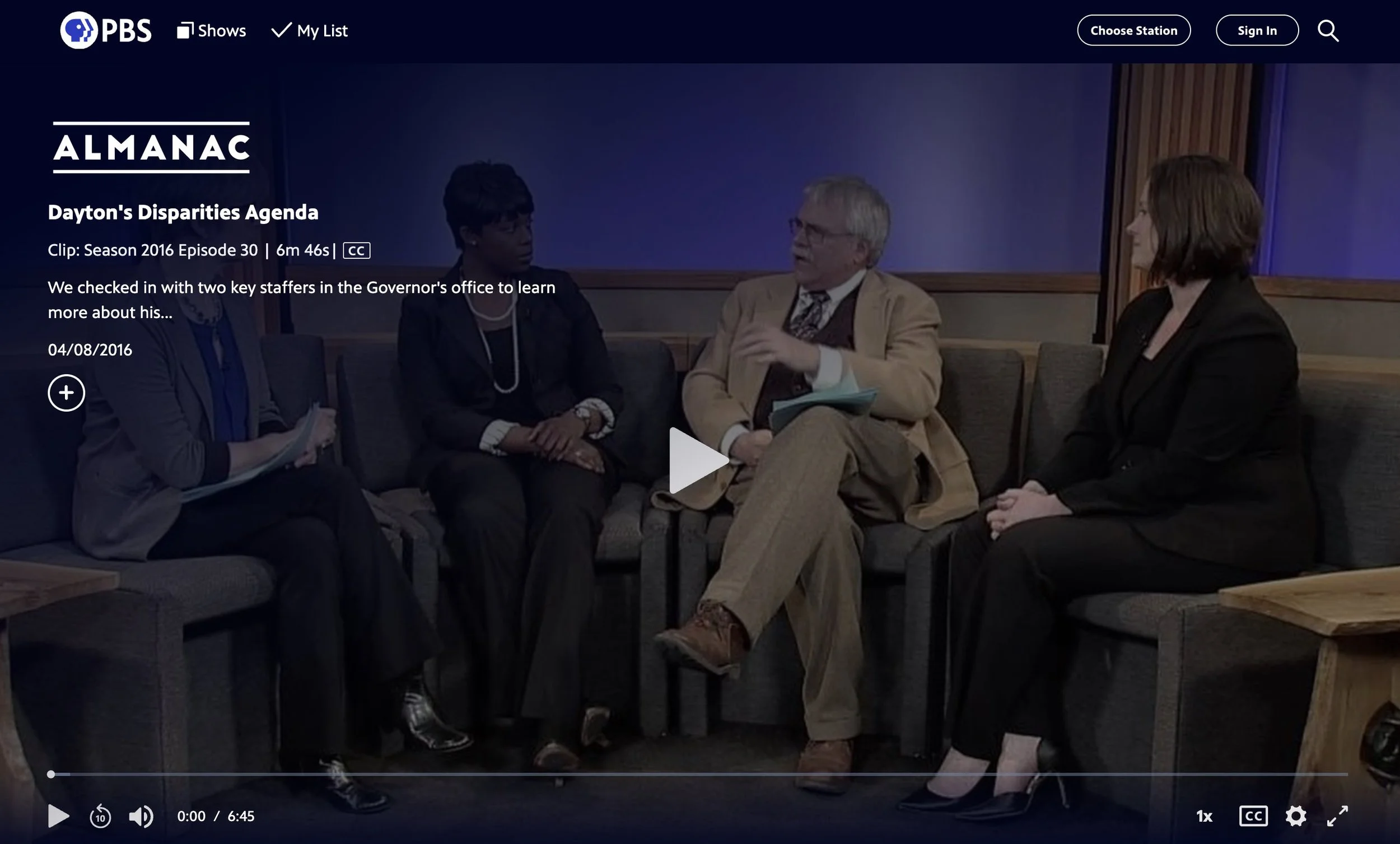
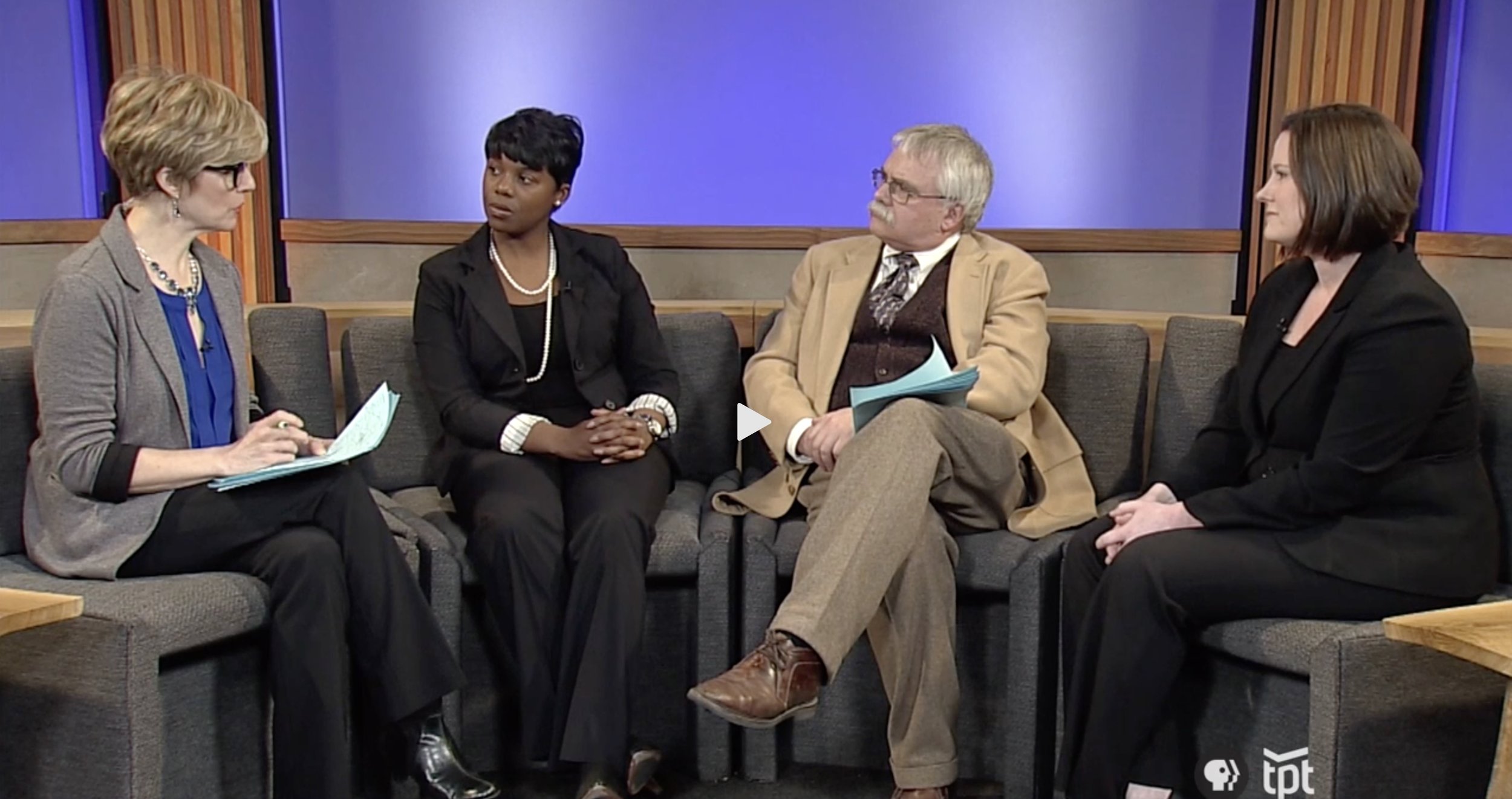
Photo c/o PBS
As Chief of Staff to Governor Mark Dayton, Jaime Tincher made equity a governing strategy, not just a stated value. She articulated inclusion as both a moral responsibility and an economic imperative, directly linking workforce diversity to Minnesota’s long-term prosperity, competitiveness, and institutional health.
Leveraging the state’s role as one of Minnesota’s largest employers, Jaime led real structural change across government. She oversaw the creation of the state’s first Executive Recruiter, hired the first Chief Equity Officer, and commissioned a comprehensive, enterprise-wide audit of hiring and advancement practices across agencies. She embedded diversity and inclusion expectations into executive leadership standards, contracting practices, and performance systems, ensuring accountability was not optional, nor symbolic.
Rather than treating equity as a standalone initiative, Jaime integrated it into the operating fabric of state government, reshaping how leaders were selected, evaluated, and held responsible for outcomes.
Leadership Approach
Jaime approached equity as a systems and leadership challenge. Her work emphasized:
Structural change embedded in governance and talent systems
Clear expectations and accountability for executive leadership
Data-driven assessment to identify barriers and track progress
A focus on retention and organizational culture, not just recruitment
She consistently argued that representation alone was insufficient. Sustainable progress required workplaces where people were respected, supported, and able to succeed, so that leadership pipelines could endure over time.
Outcomes & Impact
Under Jaime’s leadership, Minnesota achieved more diverse executive leadership, judicial appointments, and boards and commissions, alongside durable changes in how talent decisions were made across government. Equity shifted from aspiration to infrastructure, influencing recruitment, advancement, contracting, and leadership accountability in ways designed to last beyond any single administration.
Her work helped reposition diversity and inclusion as central to the state’s economic future, strengthening Minnesota’s ability to attract talent, retain skilled workers, and reflect the communities it served.