Rebuilding Saint Paul’s Homelessness Response in a Post-COVID Reality
Strategic Advisory • Implementation • Human-Centered Systems Design
The COVID-19 pandemic fundamentally altered the scale and visibility of homelessness in Saint Paul. Economic disruption, housing instability, and strained service systems pushed more residents into crisis, while encampments expanded rapidly in locations that had not previously experienced unsheltered homelessness. What began as a small number of tents grew, within months, into large sites housing dozens of people, often in unsafe conditions and amid rising community tension.
City leaders faced a complex and painful challenge: respond to immediate safety, sanitation, and public-health concerns while avoiding reactive, enforcement-driven actions that would simply move people from place to place without improving outcomes. Trust was fragile, trauma was real, and coordination across departments, service providers, volunteers, and elected officials was essential.
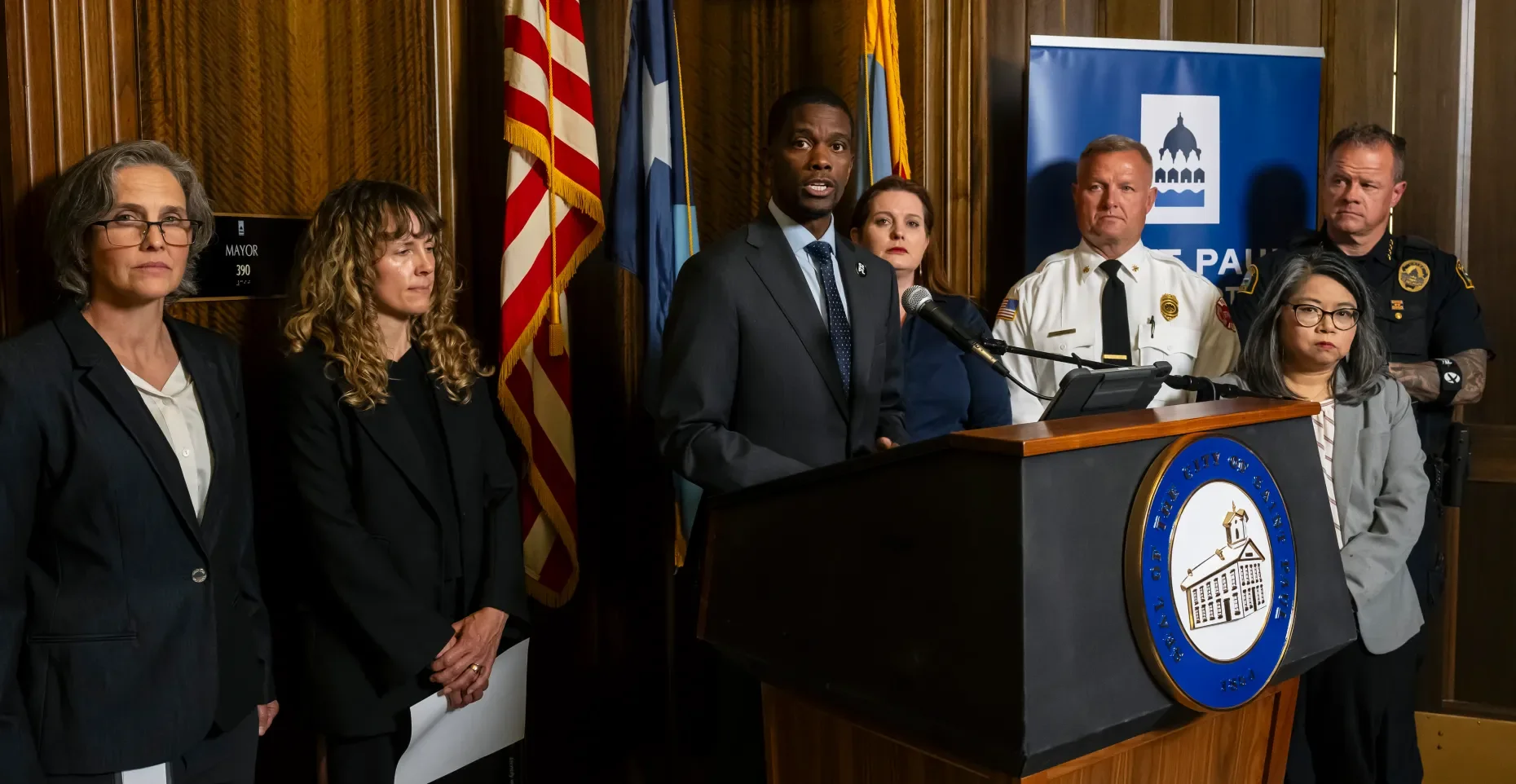
As Deputy Mayor, Jaime Tincher served as the central integrator of Saint Paul’s homelessness response during this post-COVID surge. She worked across city departments, including safety and inspections, public safety, public works, housing, and health, and in close partnership with outreach teams and service providers to bring clarity, coordination, and discipline to a rapidly evolving situation.
Through City Council briefings and on-the-ground coordination, Jaime ensured leaders had a shared understanding of conditions across the city: tracking encampment growth, tent counts, locations, and the needs of individuals sheltering outdoors under bridges, in parks, and other unsafe environments. When encampments expanded dramatically - from a handful of tents in early spring to hundreds of individuals by late summer - Jaime led a deliberate response focused on advance notice, outreach, and coordination so people had real options to move indoors.
Jaime was clear and consistent about the city’s goal: not relocation from one outdoor site to another, but movement indoors and toward permanent housing. She worked directly with residents experiencing homelessness, service providers, and Council members to navigate deeply human and often traumatic situations, balancing public safety concerns with compassion, transparency, and trust-building at a time when many residents understandably distrusted government systems.
System Redesign & Strategic Initiatives
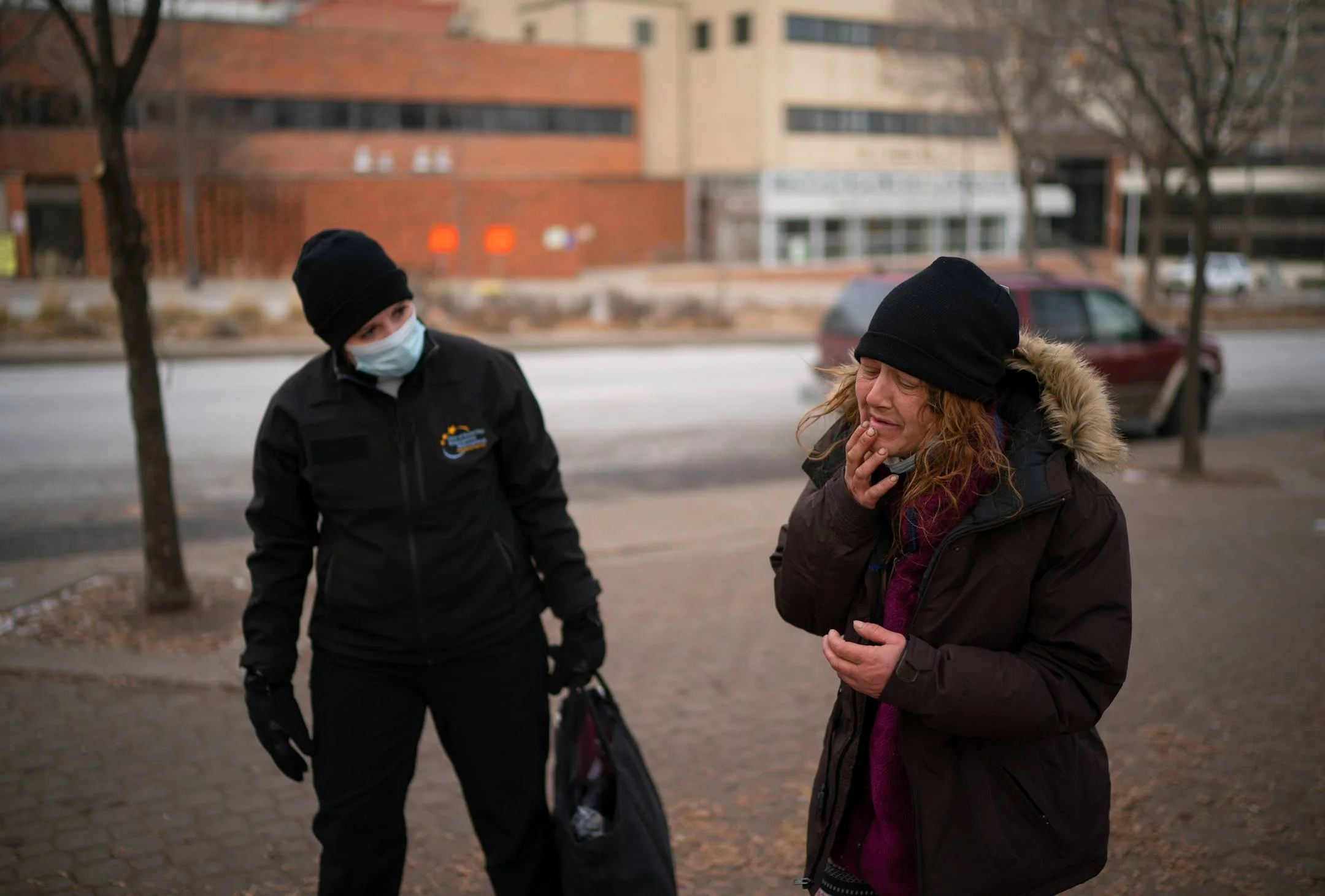
Photo c/o The Minnesota Star Tribune
Jaime’s leadership went beyond crisis response to rebuild the city’s homelessness response system itself. Rather than managing a fragmented, reactive approach, she led a shift toward coordinated, person-centered strategies focused on dignity, stability, and lasting outcomes.
She created and institutionalized the Homeless Assistance Response Team (HART), a permanent, multidisciplinary model that replaced siloed interventions with relationship-based outreach and integrated service delivery. HART aligned city staff, nonprofit partners, and outreach workers around shared goals, consistent engagement, and clear accountability.
During the pandemic, Jaime also directed CARES Act investments not only toward shelter expansion, outreach, and housing stabilization, but toward the production of deeply affordable housing, ensuring emergency response dollars strengthened long-term capacity rather than temporary fixes.
Through the Work Now initiative with Listening House, she further expanded the city’s homelessness strategy by integrating paid work into service delivery. Work Now addressed income, dignity, and daily stability alongside pathways to housing, recognizing employment as a stabilizing force in recovery and reintegration.
Leadership Approach
Jaime approached homelessness as a systems challenge requiring steadiness, coordination, and respect for lived experience. She prioritized clear roles across departments, partnership with Ramsey County and service providers, consistent communication with the City Council, and disciplined pacing of decisions to reduce harm and build trust.
Her leadership emphasized that compassionate response and public safety are not competing values, and that sustainable solutions require alignment across organizations, policy, operations, funding, and relationships.
Outcomes & Impact
Under Jaime’s leadership, Saint Paul developed a person-centered model for encampment response and homelessness outreach. The city strengthened real-time tracking and cross-department coordination, increased the number of individuals moving indoors as conditions evolved, and eliminated enforcement-only responses.
HART established durable infrastructure for coordinated outreach, while Work Now created paid employment pathways that supported stability and progress toward housing. Together, these efforts reshaped Saint Paul’s approach, demonstrating how cities can respond to homelessness with both discipline and dignity, even under crisis conditions.